
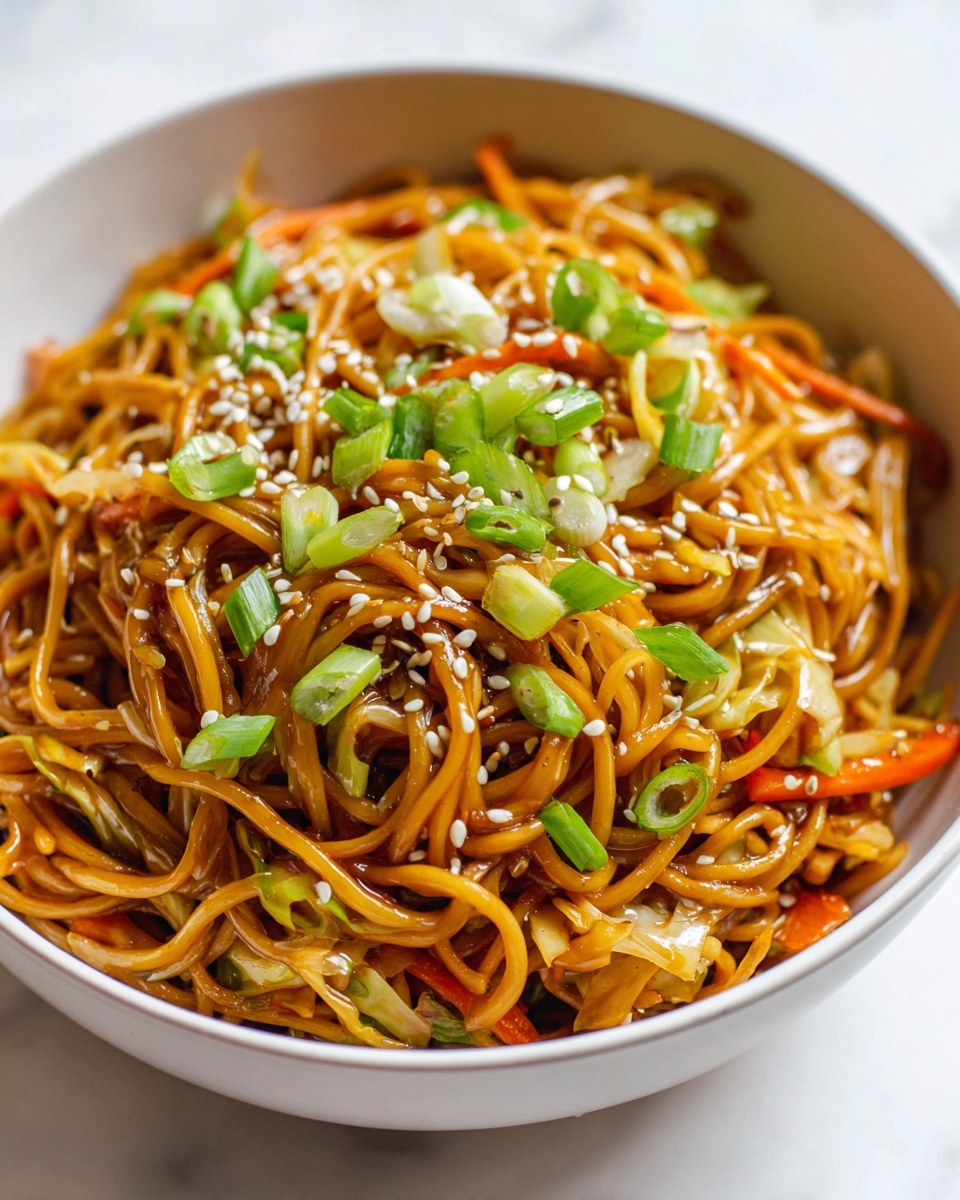
Picture this: the irresistible aroma of sweet and savory teriyaki sauce mingling with tender noodles and crisp, vibrant veggies fills your kitchen, inviting you in for a cozy, soul-satisfying meal. Steam rises gently from the pot as you stir, catching glimmers of glossy sauce clinging to every strand of spaghetti. That first bite greets you with a perfect balance of caramelized brown sugar sweetness and a subtle zing of ginger, all wrapped in an ultra-simple, fuss-free dish. The best part? This One-Pot Teriyaki Noodles Recipe comes together in a flash with minimal cleanup, making it your new go-to weeknight wonder that’s as impressive as it is easy.
Why You’ll Love This One-Pot Teriyaki Noodles Recipe
- Ready in 30 minutes: Perfect for busy evenings when you crave something delicious without spending hours in the kitchen.
- Uses simple ingredients: Pantry staples and fresh veggies come together for a flavor-packed meal with no complicated shopping trips.
- Perfect for beginners: One pot, minimal chopping, straightforward steps—this recipe is a great confidence booster for new cooks.
- Impressive presentation: The glossy, saucy noodles with bright shredded cabbage and carrots look as gorgeous as they taste.
- Customizable: Easily adapt with your favorite proteins or veggies, adjusting flavors to suit your cravings.
Why This One-Pot Teriyaki Noodles Recipe Works
This One-Pot Teriyaki Noodles Recipe nails the magic by combining a few key techniques that bring out big flavors with very little effort. Sautéing the shredded cabbage and carrots in olive oil first softens them just enough to keep their crispness, adding a fresh texture contrast to the tender noodles. The teriyaki sauce, a balanced blend of soy sauce, brown sugar, ginger, mustard, and garlic powder, simmers directly with the noodles as they cook, ensuring every twirl is bursting with harmonious flavor. Finally, stirring regularly towards the end prevents sticking, resulting in perfectly cooked noodles with a glossy, clingy sauce finish. The simplicity and harmony of these steps make it a beginner-friendly yet incredibly satisfying dish.

Ingredients You’ll Need
The magic of this recipe lies in its simple, wholesome ingredients that deliver maximum flavor without fuss.
- Green cabbage: Adds crunch and a mild sweetness that brightens the dish.
- Carrots: Offer vibrant color and natural sweetness.
- Olive oil: The perfect base for sautéing vegetables, bringing a subtle fruity richness.
- Soy sauce: Provides the deep umami backbone essential to teriyaki flavor.
- Brown sugar: Balances salty soy sauce with luscious caramel notes.
- Ground mustard: Introduces a gentle tang and subtle heat to enhance complexity.
- Ground ginger: Gives that classic warm, spicy kick inherent to teriyaki.
- Garlic powder: Infuses savory depth without overpowering.
- Spaghetti noodles: A versatile canvas that soaks up the sauce beautifully.
- Water: Cooks the noodles while melding flavors seamlessly.
- Sesame seeds: Added at the end for a nutty crunch and lovely visual finish.
Ingredient Substitutions & Tips
- Green cabbage: Napa cabbage or bok choy can replace for a softer texture.
- Spaghetti noodles: Use linguine, udon, or rice noodles for a twist on texture.
- Soy sauce: Tamari or coconut aminos make great gluten-free alternatives.
- Brown sugar: Substitute with maple syrup or honey for natural sweeteners that add distinct flavors.
👨🍳 Pro Tips for Perfect Results
- Sauté veggies just right: Cook until beginning to soften but still vibrant to maintain a wonderful crunch.
- Don’t break the noodles too early: Adding whole spaghetti lets you enjoy those long, satisfying strands. Break only if needed for pot size.
- Stir near the end: Prevent noodles from sticking and clumping by stirring every few minutes.
- Add sesame seeds off heat: Toss them in once cooking finishes so they stay crunchy rather than soggy.
- Adjust sweetness last: Taste and tweak the brown sugar to get the perfect balance for your palate.
How to Make One-Pot Teriyaki Noodles Recipe
Step 1: Sauté the Vegetables
Heat a large pot over medium-high heat and drizzle in olive oil. Add the shredded green cabbage and carrots, sautéing them gently for about five minutes. You’ll notice the veggies start to soften, releasing their natural sweetness and filling your kitchen with subtle earthy aromas. This step ensures the veggies retain a slight crunch that perfectly complements the tender noodles.
💡 Pro Tip: Don’t rush this step; a gentle sauté brings out the best vegetable flavors and textures.
Step 2: Add the Flavorful Sauce Ingredients
Stir in the soy sauce, brown sugar, ground mustard, ground ginger, and garlic powder right into the pot. Mix everything well so the vegetables get coated with this luscious blend. The sugars will begin to dissolve, creating that signature glossy teriyaki glaze we all crave.
💡 Pro Tip: For an extra depth, add a splash of rice vinegar or a pinch of chili flakes.
Step 3: Incorporate the Noodles and Water
Add the spaghetti noodles straight into the pot—breaking them in half is optional depending on your pot size. Pour in the water to cover, then stir gently to bring the ingredients together. You’ll see the noodles soften and soak up that gorgeous sauce while cooking.
💡 Pro Tip: Use hot or warm water to speed up the cooking process slightly.
Step 4: Cook and Stir to Perfection
Allow the noodles to cook uncovered for 15 to 18 minutes. As the spaghetti becomes bendable and saucy, stir every few minutes at first, then more frequently near the end to keep everything from sticking and clumping at the bottom. The patience here pays off with noodles so tender and sauce so amazing you’ll want to double the recipe.
💡 Pro Tip: If the water evaporates too quickly before the noodles are done, add a splash more to keep them from drying out.
Step 5: Finish with Sesame Seeds and Serve
Once the noodles are perfectly cooked, remove the pot from heat and toss in the sesame seeds right away. These add a lovely nutty crunch and a pretty finishing touch. Dish out immediately, perhaps garnishing with extra sesame seeds or sliced green onions for an extra layer of fresh flavor.
💡 Pro Tip: Serve hot to enjoy the full glossy texture and vibrant flavors.
Common Mistakes to Avoid
Learn from these common pitfalls:
- Overcooking veggies: Sautéing too long can make cabbage limp and unappealing.
- Skipping the stirring: Noodles tend to stick to the pot if not stirred regularly during cooking.
- Adding too much water: This can dilute the sauce and result in bland noodles.
- Not balancing the sweetness: Brown sugar is key—too little and the sauce lacks caramelized richness, too much makes it overpoweringly sweet.
- Cooking on too high heat: Can cause uneven cooking or burning at the bottom of the pot.
- Forgetting the sesame seeds: They add that essential texture and nutty flavor, so don’t leave them out!
Delicious Variations to Try
Once you’ve mastered the classic version, try these fun twists to keep things exciting:
Chicken Teriyaki Upgrade
Add bite-sized chicken breast or thighs before sautéing the vegetables for a protein-packed meal bursting with juicy flavor.
Spicy Teriyaki Noodles
Mix in a teaspoon of Sriracha or chili garlic sauce for a fiery kick that wakes up your taste buds and balances the sweetness perfectly.
Vegetarian Delight
Boost the veggie count with snap peas, bell peppers, or mushrooms for extra texture and garden freshness.
Peanut Teriyaki Twist
Stir in a tablespoon of peanut butter at the end for a creamy, nutty dimension that turns this cozy dish into something truly special.
Sesame Tofu Teriyaki
Brown crispy tofu cubes first, then fold them into your noodles for a hearty, plant-based version that’s irresistibly satisfying.
Zoodle Alternative
Try using zucchini noodles instead of spaghetti for a lighter, low-carb option that still absorbs the sauce beautifully.
How to Serve One-Pot Teriyaki Noodles Recipe
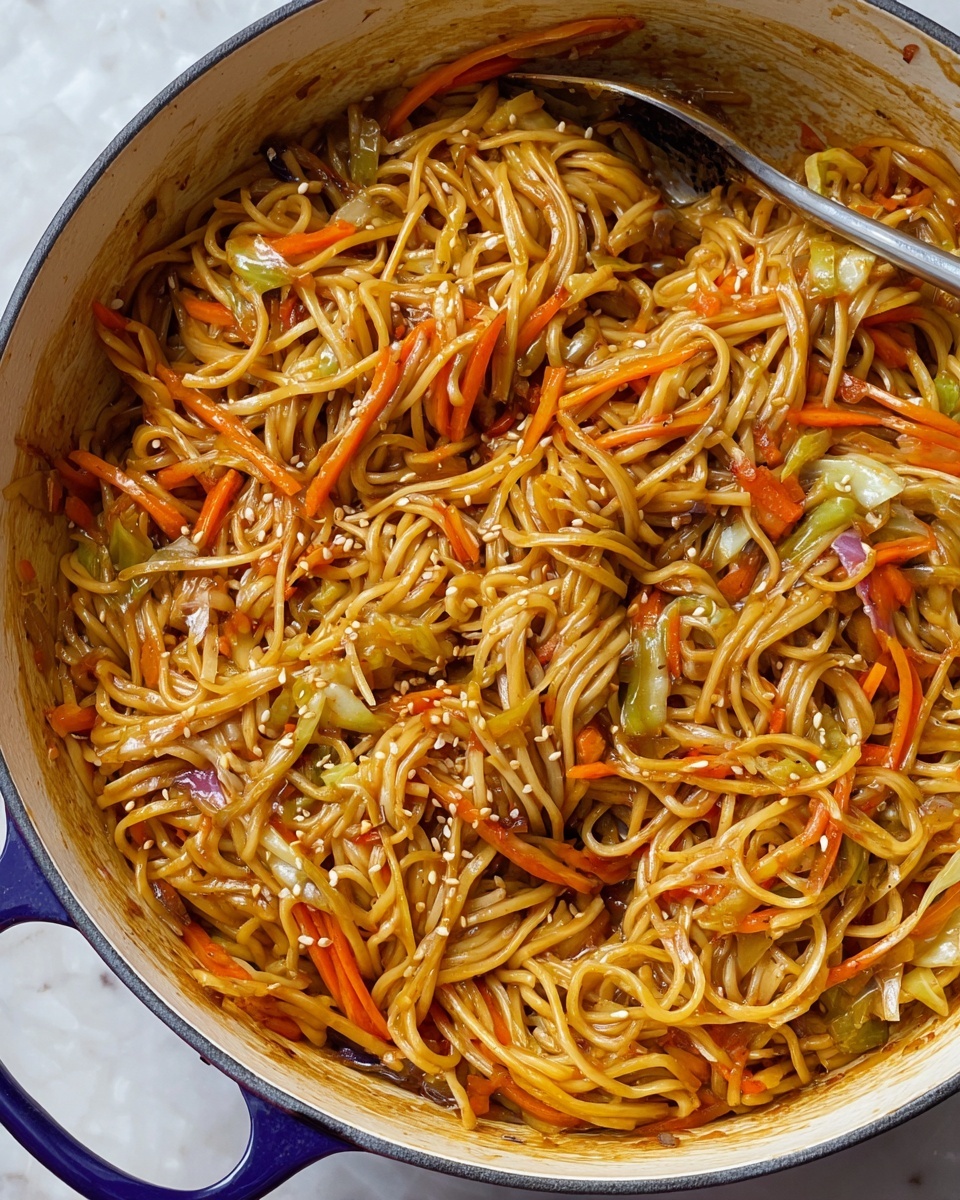
Garnishes
Sprinkle extra sesame seeds, sliced green onions, or a handful of chopped fresh cilantro to add vibrant color and fresh flavor contrasts.
Side Dishes
Pair with steamed dumplings, edamame pods, or a crisp Asian cucumber salad for a refreshing accompaniment.
Creative Ways to Present
Serve in rustic bowls with chopsticks for an inviting, casual vibe or plate with a drizzle of toasted sesame oil and sprinkle with crunchy crushed peanuts for a restaurant-worthy finish.
Make Ahead and Storage
Storing Leftovers
Transfer any leftover noodles to an airtight container and store in the refrigerator for up to 3 days. The noodles absorb more sauce over time, deepening the flavor.
Freezing
Though best freshly made, you can freeze leftovers for up to one month in a freezer-safe container. Thaw overnight in the fridge before reheating.
Reheating
Gently reheat on the stove in a skillet with a splash of water or broth to loosen the sauce. Microwave reheating works too; just cover to retain moisture.
FAQs
Can I use gluten-free noodles?
Absolutely! Rice noodles or gluten-free pasta brands work beautifully in this recipe without compromising flavor or texture.
Is this recipe vegetarian/vegan?
Yes, as written it’s both vegetarian and vegan. Just ensure your soy sauce is vegan-friendly (some contain fish extracts).
Can I add protein?
Definitely! Adding cooked chicken, beef strips, tofu, or shrimp makes this a hearty, balanced meal.
How spicy is this dish?
By default, it’s mild, but you can easily spice it up with chili flakes or hot sauce to your liking.
Can I prep ingredients ahead of time?
You can shred the veggies and mix the sauce ingredients a day in advance for a speedy cooking day.
What’s the best type of soy sauce to use?
A naturally brewed, low-sodium soy sauce is ideal to balance saltiness and depth of flavor.
Why do I need to stir the noodles so often?
Frequent stirring prevents the noodles from sticking to the bottom and ensures even cooking and sauce distribution.
Can I add other vegetables?
Absolutely! Peas, bell peppers, mushrooms, or snap peas all make delicious additions.
Final Thoughts
There is something undeniably comforting about gathering around a steaming pot of One-Pot Teriyaki Noodles, where every bite feels like a warm hug wrapped in layers of sweet, salty, and aromatic goodness. This recipe lights up even the busiest days with simplicity and flavor that makes you feel like you’ve cooked something truly special. It’s the kind of dish that invites you to slow down, savor, and smile with every forkful.
Have you tried this One-Pot Teriyaki Noodles Recipe? I’d love to hear how it turned out! Leave a comment below. If you loved this recipe, please share it with friends and family. Happy cooking! 🍜
Print
One-Pot Teriyaki Noodles Recipe
- Prep Time: 8 minutes
- Cook Time: 20 minutes
- Total Time: 28 minutes
- Yield: 6 servings 1x
- Category: Main Course
- Method: Stovetop
- Cuisine: Asian
- Diet: Vegetarian
Description
A quick and flavorful one-pot teriyaki noodle dish featuring tender shredded cabbage and carrots simmered in a savory homemade teriyaki sauce. Perfect for a fuss-free weeknight meal that’s hearty, comforting, and easy to prepare.
Ingredients
Vegetables
- 1/2 green cabbage, shredded
- 2 carrots, shredded
Sauce
- 2/3 cup soy sauce
- 1/2 cup brown sugar
- 1/2 teaspoon ground mustard
- 1 teaspoon ground ginger
- 1/2 teaspoon garlic powder
Main
- 16 oz spaghetti (1 pound box)
- 3 1/2 cups water
- 1 teaspoon olive oil
Garnish
- 1 tablespoon sesame seeds
- Optional: green onions for garnish
Instructions
- Heat and sauté vegetables: Heat a large pot over medium-high heat. Once hot, add olive oil followed by shredded cabbage and carrots. Sauté for about 5 minutes until the vegetables begin to soften and become tender.
- Add sauce and pasta: Stir in soy sauce, brown sugar, ground mustard, ground ginger, and garlic powder to the pot. Mix well to combine all flavors. Add the spaghetti (breaking it in half is optional for easier cooking), then pour in 3 ½ cups of water.
- Cook noodles: Cook uncovered for 15-18 minutes. Once the spaghetti noodles start to become pliable and bendable, begin stirring the pot every few minutes, increasing frequency toward the end, to prevent noodles from sticking to the bottom.
- Finish and serve: When noodles are fully cooked and sauce is absorbed, remove the pot from heat. Toss in sesame seeds, mix gently, and serve immediately. Garnish with additional sesame seeds and optional green onions if desired.
Notes
- Breaking the spaghetti noodles in half is optional but can help them cook more evenly and fit better in the pot.
- Keep stirring toward the end of cooking to prevent noodles from sticking and burning.
- For a protein boost, consider adding cooked chicken, tofu, or shrimp.
- Adjust soy sauce and sugar amounts to preference for saltiness and sweetness.
- Garnish with green onions or toasted sesame seeds for extra flavor and texture.


Your email address will not be published. Required fields are marked *